

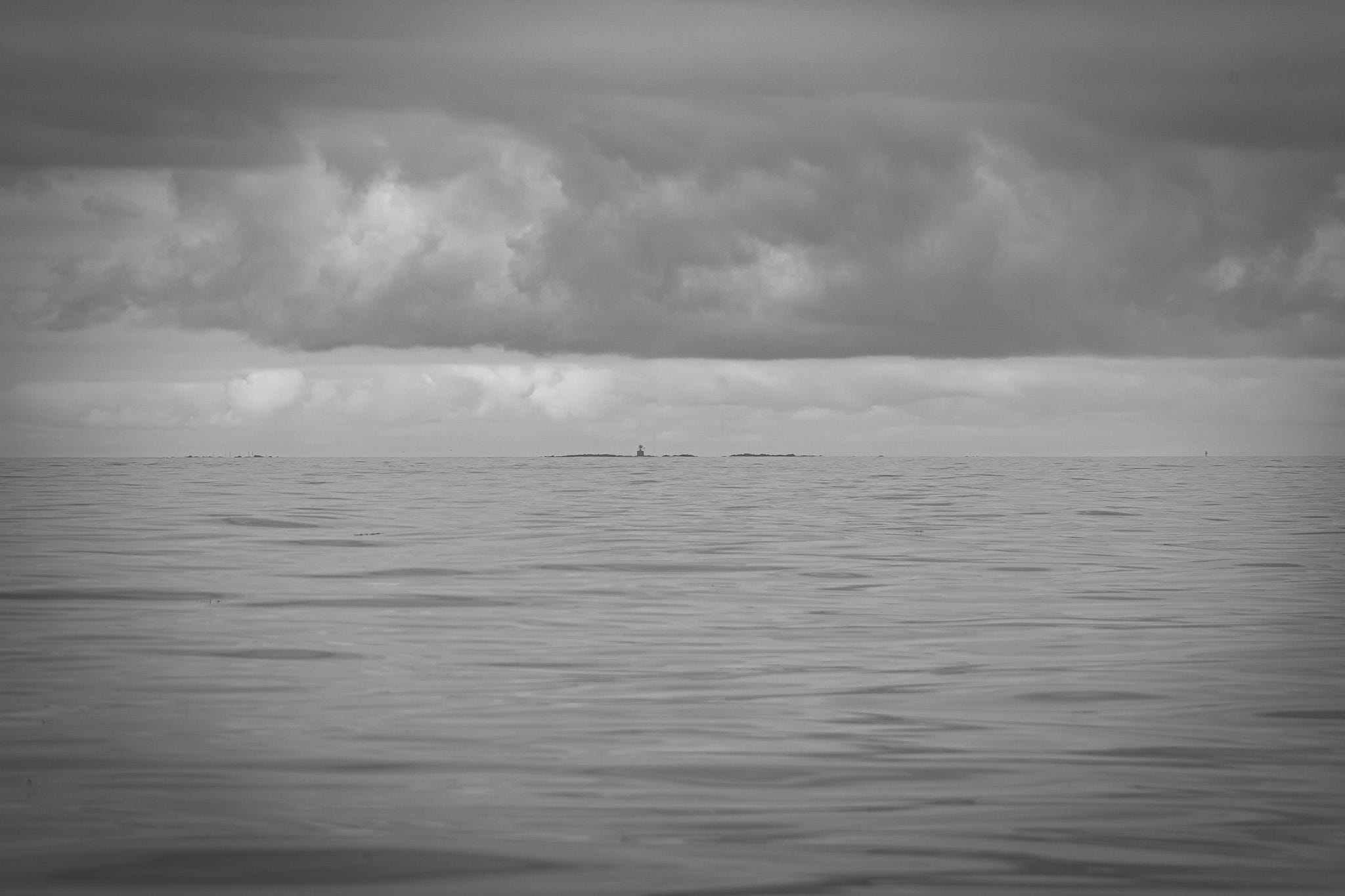
Living next to the Ocean sensitizes you to man’s destructive nature. I have a friend who walks the beaches every morning. He sets out with an empty trash bag. By the time he walks off the sand, the bag is full. Balloons, plastic bottle caps, fishing gear, abandoned dog poop bags. These are the things we leave behind. These are our love letters to the Ocean. In return, we get the rhythmic thunder of energy transference inviting meditation. The mineral breath of a crashing wave enveloping us. A blazing sunset reflected by the gentle undulations of August. If only we could appreciate what we take from the sea, we might be more generous in our actions. We might take care to give the Ocean what it truly needs from us. Protection.
How do I love thee? Let me count the ways
Plastic pollution
Plastic is the gift that keeps on giving. It’s cheap and, therefore, ubiquitous. We use it to build our boats, fishing gear and drinking vessels. The keys upon which I’m typing this post are plastic. The ephemera of our lives are anything but ephemeral. The trash I find on the beach each morning when I walk our dogs is the proverbial iceberg’s tip. Microplastics are the rest. Microparticles of everything ever made of plastic penetrate all of nature, including our brains and the entirety of Planet Ocean. If I were to rank the items I find washed up each day in descending order the list would look like this: plastic bottle caps, mylar balloons, plastic bottles, straws, zip ties, plastic fishing line. Do we think our discard has no impact? Do we think the Ocean can dissolve our dependence on petroleum-based materials? Plastic is convenient, not necessary. When I buy water, I try to find glass, aluminum or paper containers. It’s not easy, but it’s worth it. Living next to the ocean, I’d never buy a mylar balloon for fear that an unlucky sea turtle or mola mola might mistake the remnants of a fleeting celebration for a jellyfish, its favorite food. Microplastics have infiltrated the deepest parts of the ocean. They started here, on the surface.
Anthropogenic noise
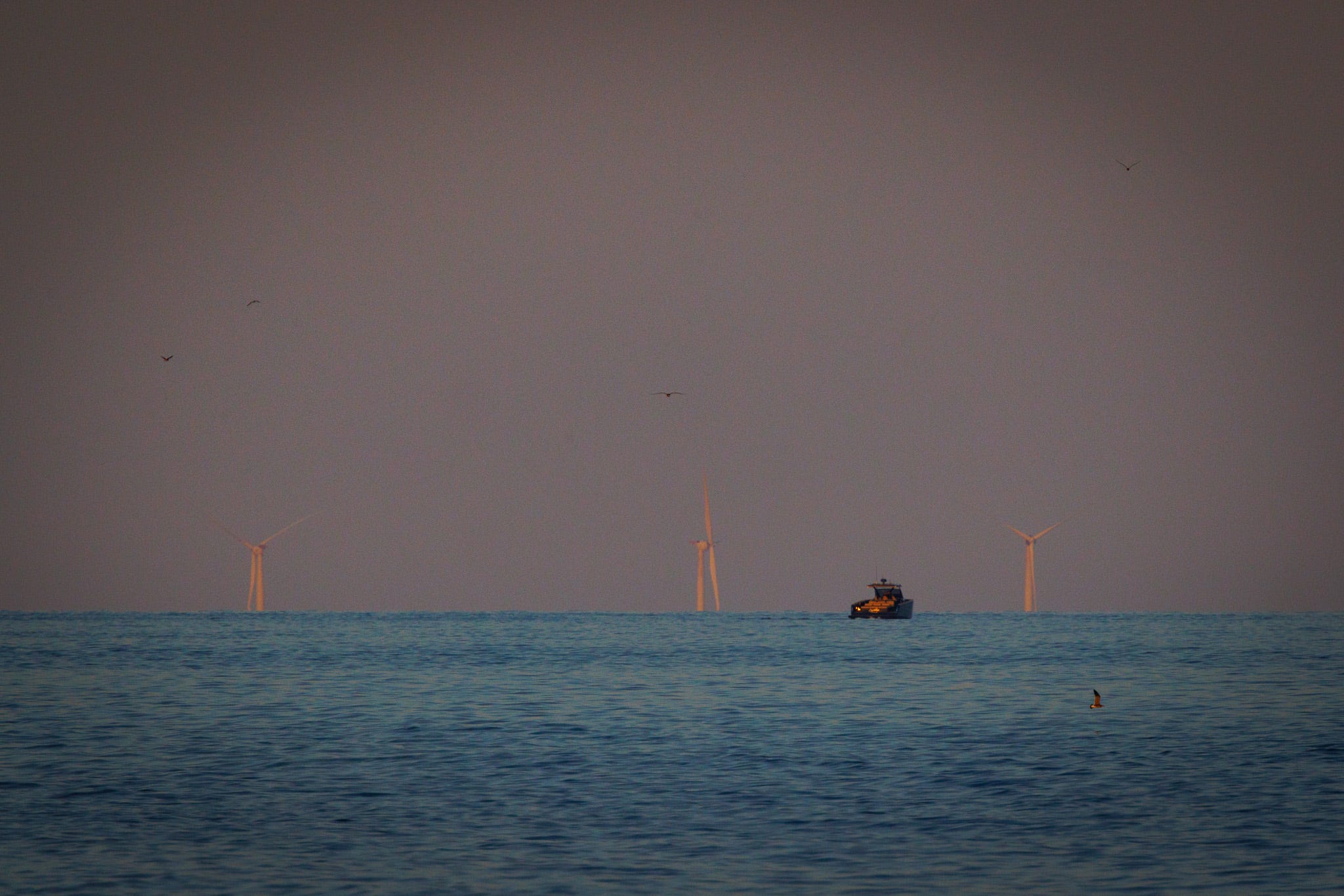
Vava’u, Tonga, 2024. I’m floating in the South Pacific, my masked face submerged in crystal blue water to witness a mother humpback whale nursing her weeks-old calf. As the mother approaches us, she makes eye contact. She’s wary of this group of four humans clumsily kicking towards her. Satisfied we are no threat to her baby, she glides towards us seemingly without effort. Her tale is motionless yet she’s moving fast enough that we need to kick continuously to stay by her side. Of a sudden, her tale makes three or four sweeps downwards. Sixty feet of visibility vanish in seconds. When we climb back onto the boat, we ask the captain what happened. What broke the spell of underwater intimacy we felt just moments before? “Ferry,” he replies pointing to a distant ship. If the inaudible (to humans) sound of a boat three miles away can cause a whale to expend critical energy, imagine the effect of a fleet of boats. Imagine the effect of the 110-decibel pile driving employed in the construction of an offshore wind farm. Even our attempts at shrinking our destructive footprint are harmful to marine mammals.
Deep sea mining
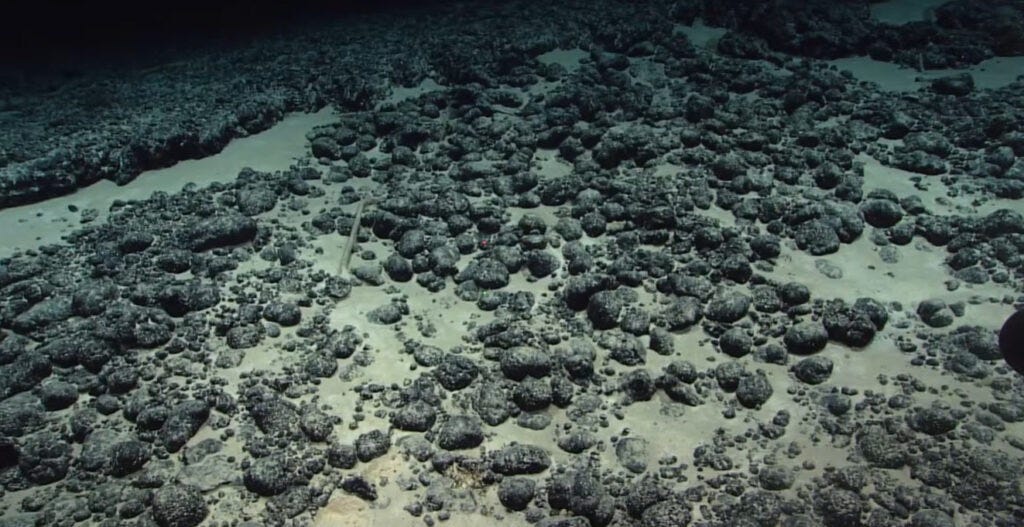
The damage wrought by commercial fishing bottom trawlers has been well documented. I wrote about it in SOS 025 // Bottoms Up. A weighted net dragged across miles of seafloor obliterates the slow-forming habitat of essential sponges, corals, fish and microbes. Bottom trawling is akin to clear-cutting an old growth forest. Yet, commercial bottom gear have a half-mile maximum depth. The ocean’s average depth is two-and-a-half miles. Below a half mile, a new threat emerges. Deep sea mining. In SOS 019 // The next gold rush, I discuss the Trump Administration’s dream of exploiting the deepest parts of the ocean to mine polymetallic nodules for the raw ingredients of battery tech, weapons, semiconductor chips and AI infrastructure. The potential destruction is, well, unfathomable. Research is being conducted worldwide to determine just how harmful deep sea mining will be. I say “will” because the pendulum of human greed is always swinging. One way or another, deep sea mining will soon be a thing. Just like nuclear weapons, we are being pulled headlong into unknown risk in a myopic search for security. We all know the ending of this story. We are all, thus, complicit.
Commercial fishing bycatch
I mentioned my daily beach walks with my dogs. Norman and George are good boys, but their primal drive to eat sometimes overrides fealty to me. Trying to keep Norman from eating a dead skate’s tale or George from crunching on fish cartilage is near impossible. Especially in summer, it’s a game of wack-a-mole. On a given day, hundreds of (to them) appetizing morsels can be found scattered on Montauk’s beaches. How did so many skate carcasses and fish parts wind up beached in our backyard? They are the waste products of commercial fishing, by-catch deemed unmarketable. I’m certain that living by-catch released by commercial fisherman outnumber those found by Norman and George, but the dead ones are visible reminders of outdated technology. Bycatch Reduction Devices (BRDs) are available but represent additional costs that would erode the wizening margins of commercial fishing. I like commercial fisherman. I don’t blame them. They have bills to pay and mouths to feed just like the rest of us. Government subsidies for less destructive gear would help. But public awareness that could lead to political pressure isn’t there yet.
I write SOS each week with the hope that by sharing knowledge I can inspire action in others. One action would be sharing SOS with your friends and family. It’s easy. Just hit the heart and share button at the top of this post. If you have any questions or comments, please add them via the comment button. It means a lot to me and to our common love, Planet Ocean.
Beautiful as always!
The balloons kill me.