

Sea floor health is critical to everything
"I believe there is not a portion of the ground but what the trawl destroys. I have dragged 50 miles off Aberdeen. I have got fast there and brought up coral about 2.5ft in circumference, lumps of soft coral, and I am prepared to say that whatever is in the way of the trawler will not escape." - Fisherman from Aberdeen, Scotland, The Guardian (2014).
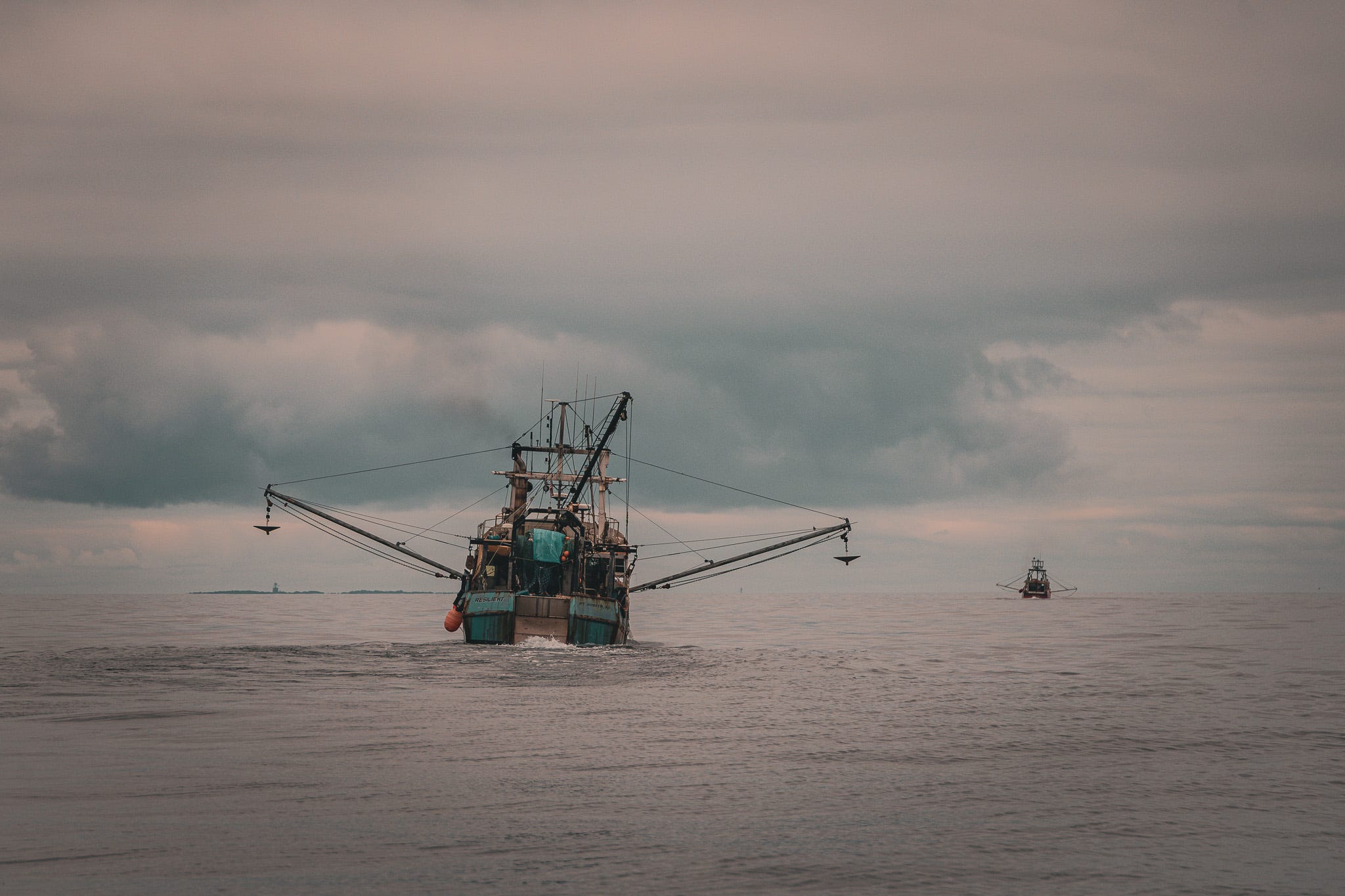
Last week I found myself standing on the bow of a boat as we followed a scallop dredger closely enough to see the sandwiches the crew had for lunch. I studied the crew’s movements trying to predict when they were about to haul back their gear. Commercial fishing for sea scallops involves towing a large dredge resembling a giant clam rake across the seafloor to scrape the smooth shelled scallops from their habitat. As soon as that rake surfaced, I needed to throw a live bluefish bait as close as possible to the rake without fouling it. Why? To catch a bluefin tuna. Scallops are candy to large bluefin and they often follow a scallop dragger looking for that candy. I was thinking about the possibility of a once in a lifetime fish. I wasn’t thinking about how I was surfing a wave of destruction. Corals, sponges, seaweed, shellfish scraped from the bottom of the ocean. A habitat obliterated in seconds to harvest a cash crop.
Planetary Health Check 2026 is part of an annual series published by the Potsdam Institute for Climate Impact Research. This year’s report includes a chapter on the health of the seafloor. Covering two-thirds of the planet, the seafloor has an average depth of two and a half miles. Such depths were once considered a moat against anthropogenic damage, but technology has a way of eroding moats. Today, trawlers can reach depths of half mile. Regulations on the west coast of the United States ban trawling deeper than three quarters of a mile. A country may regulate fishing activities within its Exclusive Economic zone that extends 200 miles from land. But beyond those 200 miles, the seafloor is unprotected. Each year, 1-2% of the global seafloor is destroyed by bottom trawling. Deep sea mining for polymetallic nodules will bring more destruction to an environment that I'm some cases takes more than a human lifespan to regenerate.
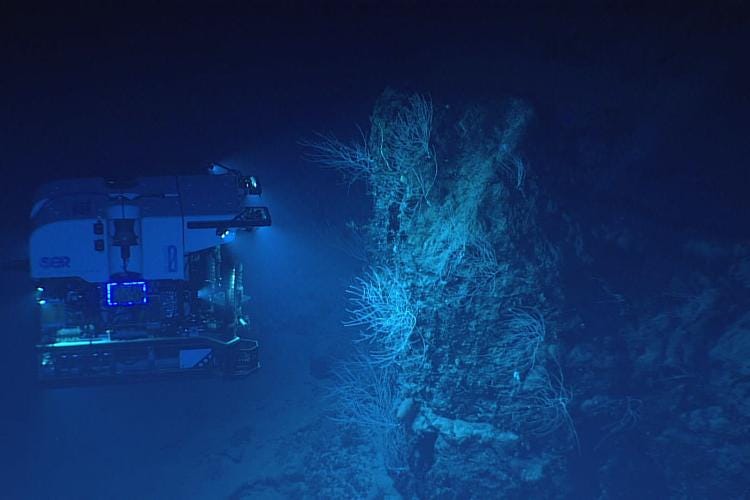
Protecting the seafloor is critical to the overall health of the planet. It provides habitat for flora and fauna from kelp to slow-growing deep sea corals to microbes. These plants and animals form an integral part of the marine food web. They also form the foundation of the ocean’s carbon storing function. Continental shelves store around 360 billion tons of carbon, accounting for 75-80% of marine carbon burial. The carbon stored on the seafloor would have stayed there for geologic times. But commercial fishing and mining operations disturb that timeline. Trawling the bottom suspends this carbon in the seawater where it breaks down into carbon dioxide and potentially re-enters the atmosphere to contribute to global warming. So, aside from killing innumerable plants and animals, bottom trawling and deep sea mining negatively impact planetary health at a significant level.
The regulation of the seafloor is currently accomplished by a mix of national and international authorities. Each coastal country may impose restrictions within its territorial waters up to 12 miles from land and its Exclusive Economic Zone up to 200 miles from land. Beyond those boundaries, Regional Fisheries Management Organizations (RFMOs) such as the Northwest Atlantic Fisheries Organization (NAFO) govern fishing activities in the “high seas” while the International Seabed Authority governs deep sea mining activities. The enforcement power of these entities is tenuous at best and poaching is rampant due to the sheer size of the area being regulated. Organizations like the Deep Sea Conservation Coalition (DSCC) are working to raise awareness of the potential impact wrought by deep seafloor exploitation. To learn more about current the current regulatory framework and find out how you can support their efforts, visit the DSCC website.