

Super El Niño
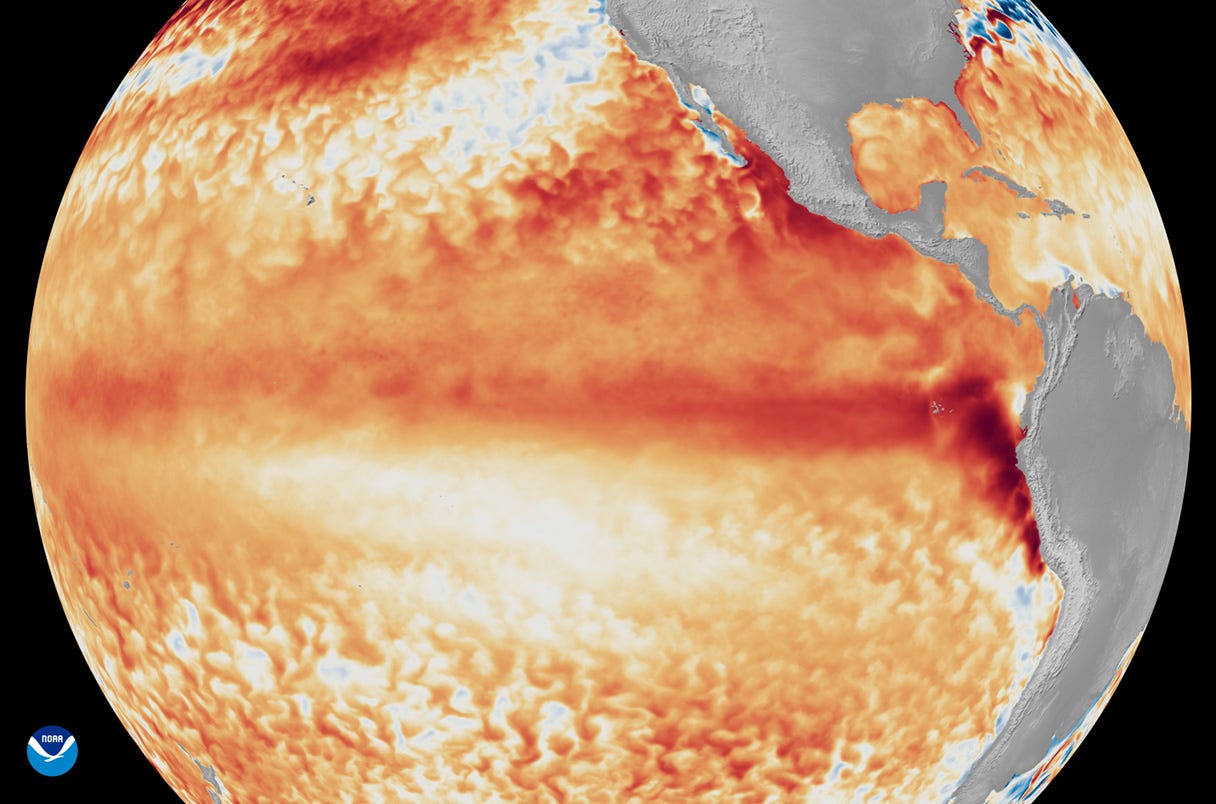
We know less than we think we do about this planet. Many, many aspects of this world are mysterious. Yet, we grasp at a shadow of a shadow and call it fact. The El Niño-Southern Oscillation can be counted among these mysteries. El Niño is a limited period of global warming sea surface temperature. Its effects are felt mostly in the equatorial Pacific, but El Niño echoes in all areas of the world. The occurrence of El Niño is barely predictable, though we know it tends to appear every 2 to 7 years and lasts about a year. The current El Niño has been dubbed a “super” El Niño for its relative strength in comparison to occurrences of the past. The effects on the east coast of North America have been considerable. One positive effect is that no hurricanes have formed yet in the Caribbean. Only five tropical storms have formed, all of which have been squashed by the atmospheric affects of El Niño. The Pacific region, on the other hand, has seen twice as many cyclones as normal. In Montauk, we’ve had an unusual year. Lots of east wind in the summer. Unusual sea surface temperature patterns. I credit El Niño with the abundance of life I witnessed offshore this year. El Niño has been kind to us, for the most part. While I want to know as much as I can about Planet Ocean, in this case I'm grateful for a little mystery.
The emotional life of whales: do whales grieve?
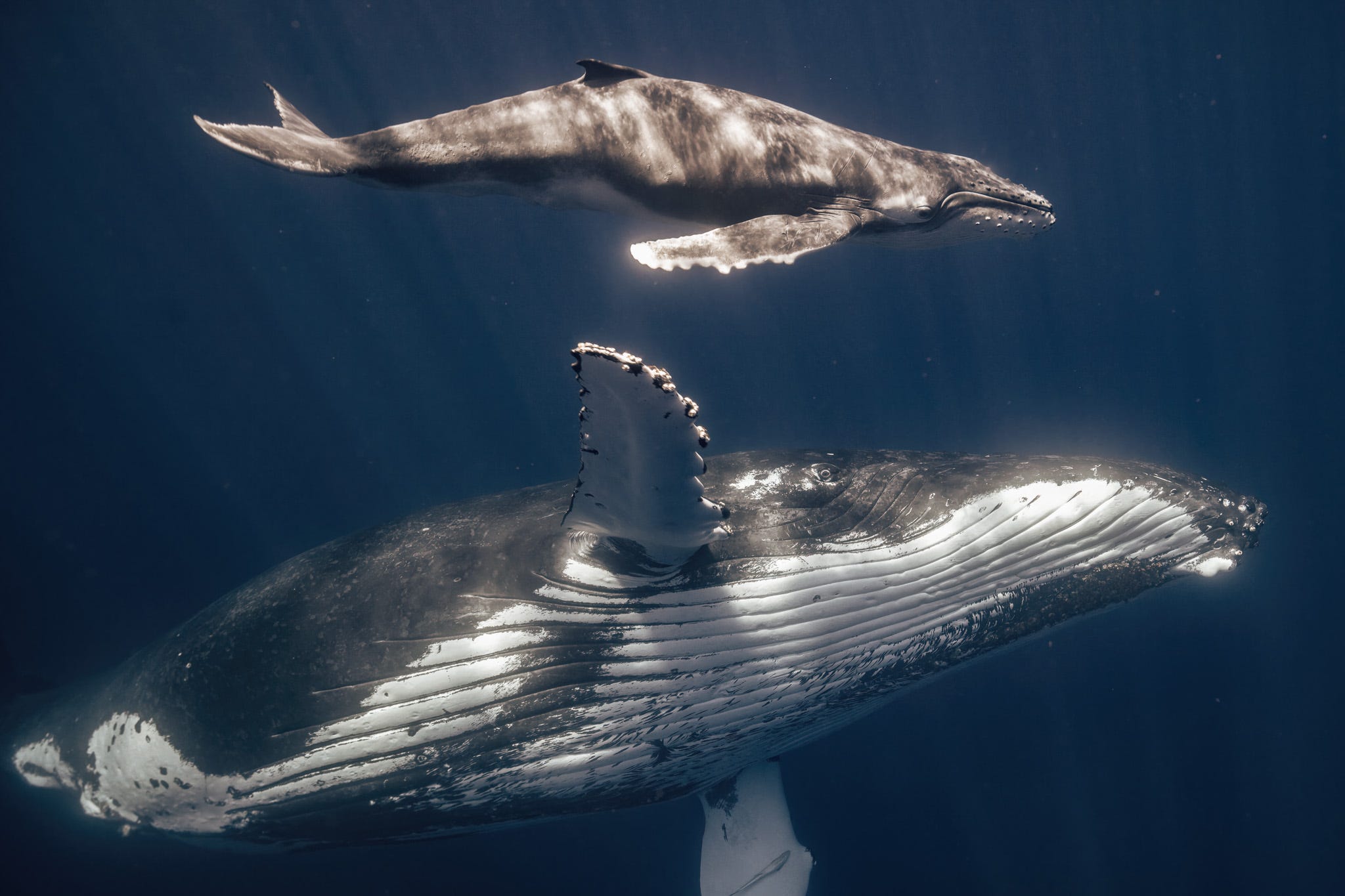
In October 2024, my wife and I visited Tonga, a far flung country consisting of a smattering of volcanic islands deep in the South Pacific. Why did we go to Tonga? Because every June mother humpbacks give birth near Vava’u, Tonga and spend several months nursing their calves in the calm, protected waters before making the perilous journey to their winter homes in Antarctica. Tonga is one of the only spots in the world where you can legally swim with humpbacks. After filming so many humpbacks in Montauk, going to Tonga was a pilgrimage of sorts. Swimming beside humpback whale mothers and their calves in the deep blue crystalline Pacific is something I can never erase from my soul. Looking into the mother’s eyes while she warily approached us, I knew she was sentient. I knew she felt compassion, joy, sadness. I had no proof. I just knew. But knowing is not proof, not from a scientific perspective. Scientists draw conclusions from observational data of an animal’s behavior and, until recently, emotions such as grief have been attributed only to toothed whales like dolphins. Dolphins account for over 90% of observed “post-mortem attentive behavior.” That’s grief to you and me. For whales, grief looks like attending a dead calf’s body for hours or even days. Doing so costs the whale a substantial amount of energy, which leads us to conclude that there’s an emotional component to the behavior. Dolphins have been observed doing this. So have orcas. An orca nicknamed Tahlequah was observed carrying her calf more than 1,500 kilometers over 17 days in 2018. The same orca carried another of her deceased calves for an extended period of time in 2025. Scientists had not directly observed such grieving behavior in baleen whales, a class that includes humpback whale, until July 17, 2025. On that day, scientists spotted a mother humpback repeatedly surfacing in the same spot. The scientists, equipped with a GoPro (view video here), dove to the bottom where they saw a stillborn calf and witnessed the mother “touching it with her head and pectoral fin as well as remaining still and eye to eye next to the stillborn for at least 1 min at a time.” The emotional capacity of a humpback mother was clear to me when I swam with them in Tonga. Several times, we witnessed a mother helping her calf to the surface with her head so that the calf could breathe. There was emotion and tenderness that transcended species. I like to think the recent study proves what I knew.
The global ecological impact of offshore wind farms is 86% unknown
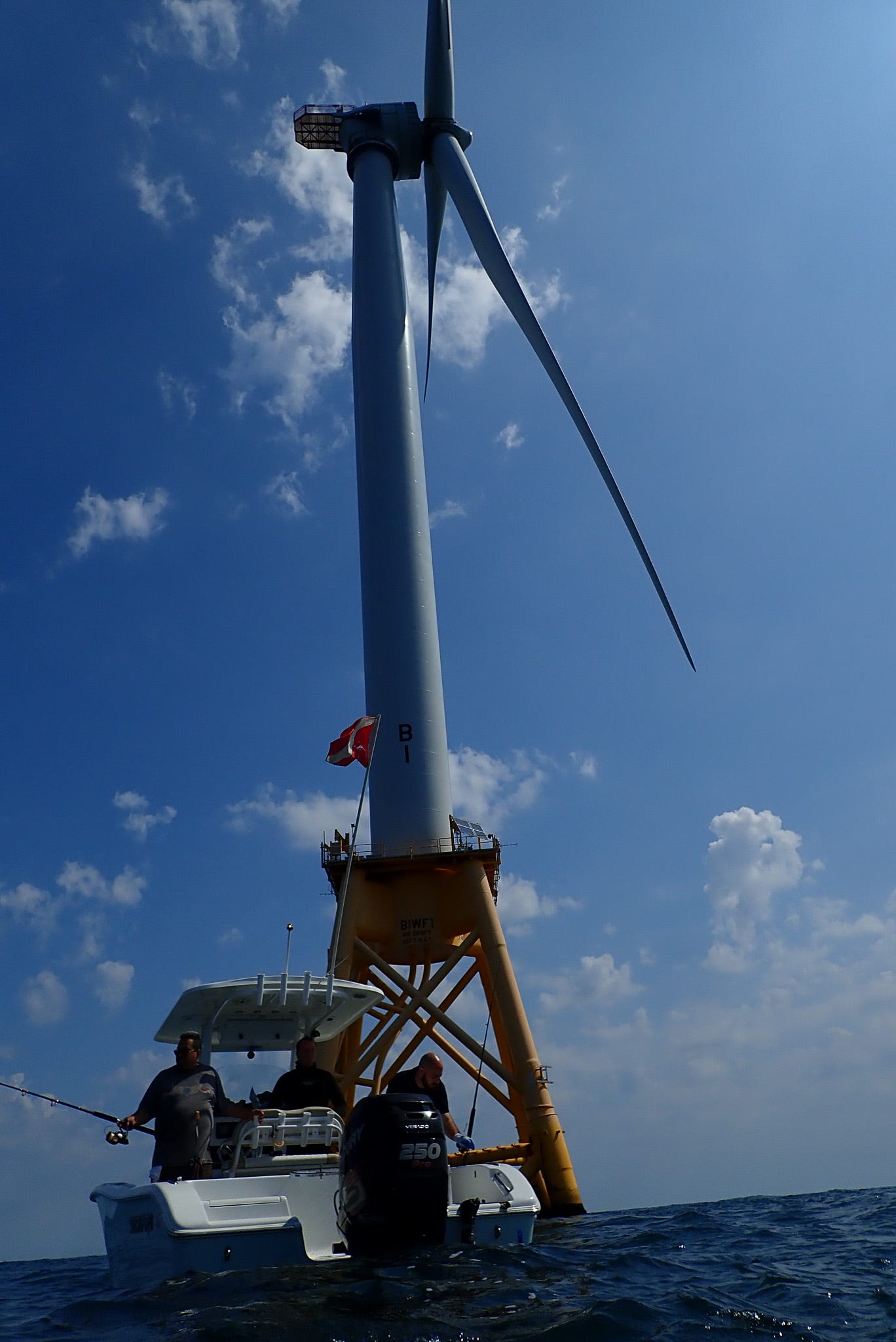
You read that right. 86% of the global ecological impact, good and bad, of offshore wind farms is unknown. The 14% we do know includes variable electricity generation (good), interference with whale communication during construction phase (bad), potential accretive habitat for marine life (good), a hazard for migrating birds (bad). Net result: neutral. But what about the other 86%? A recent study suggests that mostly negative effects comprise the unknown 86%. First, while the subsurface components of a wind turbine provide artificial structure for marine life, there is “mounting evidence globally that artificial structures, both coastal and offshore, function as prime sites for invasive or exotic species.” These non-native species frequently displace species native to an environment. The follow on effects of such displacement include decreased commercial catches, which will negatively impact local economies. Second, offshore wind farms represent potential harm to socially valued species such as seabirds and marine mammals. Outsized turbine blades kill seabirds. Ship strikes and cable entanglements are a primary cause of whale deaths. Most offshore wind farms are granted an Incidental Harassment Authorization exempting the developer from liability for non-lethal harm to marine mammals, including critically endangered North Atlantic right whales. The exemption is meant to apply to the disturbance attributed to construction noise, cable laying and geophysical surveys. But the construction of an offshore wind farm requires a lot of ship traffic and increased ship traffic means increased risk of ships striking whales. When a large vessel strikes a whale, there’s a good chance the captain is unaware of the incident. Finally, there’s the issue of competing with space against recreational boaters and fisherman. Huge swaths of the ocean off of New England are covered by colossal steel and carbon pinwheels. Heading to the offshore canyons from Montauk at sunrise used to mean an unimpeded view of the sun peeping out from the horizon. That view now includes a spindle work of wind turbines. The study concludes by stating that there are major data gaps to be resolved before we can know 100% of the offshore wind farm story. I find little comfort in the knowledge that we know practically nothing.