


Microplastics Found in Deep Sea Marine Life
How prevalent are microplastics on Planet Ocean? Omnipresent, apparently. Even the deepest parts of the ocean abound with these tiny bits of discarded products such as Dunkin Donuts coffee cups, the kind recently discontinued by the coffee chain. A recent study found microplastics in 92% (!!!) of animals living around hydrothermal vents at a depth of more than 6,600 feet. Polystyrene (a/k/a styrofoam) was the most common plastic compound detected. Good on Dunkin Donuts for having replaced their styrofoam cups with more environmentally-friendly paper ones, but maybe too little, too late? Microplastics are defined as particles less than five millimeters in length. Smaller than a sesame seed. The deep sea animals gathered by the scientists included snails and mussels. Each individual specimen contained an average of 3.42 particles. If you’re thinking to yourself, “abysmal,” you’re correct. Ohhh mercy, mercy me.
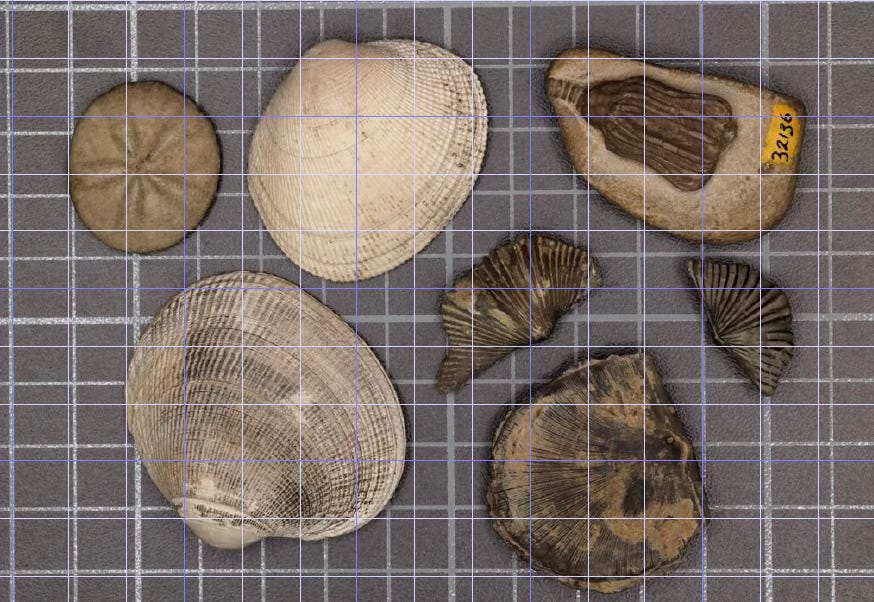
The “Great Dying” was Caused by Climate Change and Diminishing Oxygen in Ancient Seas
Climate change happens. Always has. A sudden warming that occurred 252 million years ago resulted in a mass extinction referred to as the “Great Dying.” That name may seem dramatic, but it’s fitting considering that the event resulted in the extinction of 96% of ocean species and 70% of land animals. The ocean inhabitants most affected by the die-off were ancient clam-like animals called brachiopods and seafloor fauna like sea lilies. Their extinction made room for today’s mollusks and fish. New research suggests that the species most affected by the Great Dying were animals and plants least able to tolerate warm, oxygen-starved water. The suddenness of the change resulted from the release of “gargantuan amounts” of greenhouse gases like carbon dioxide and methane from an historic level of volcanic activity during that period. My bleak takeaway? Such a global event could happen at any time. The story of this planet is still in draft mode. Tomorrow isn’t guaranteed, my friends.
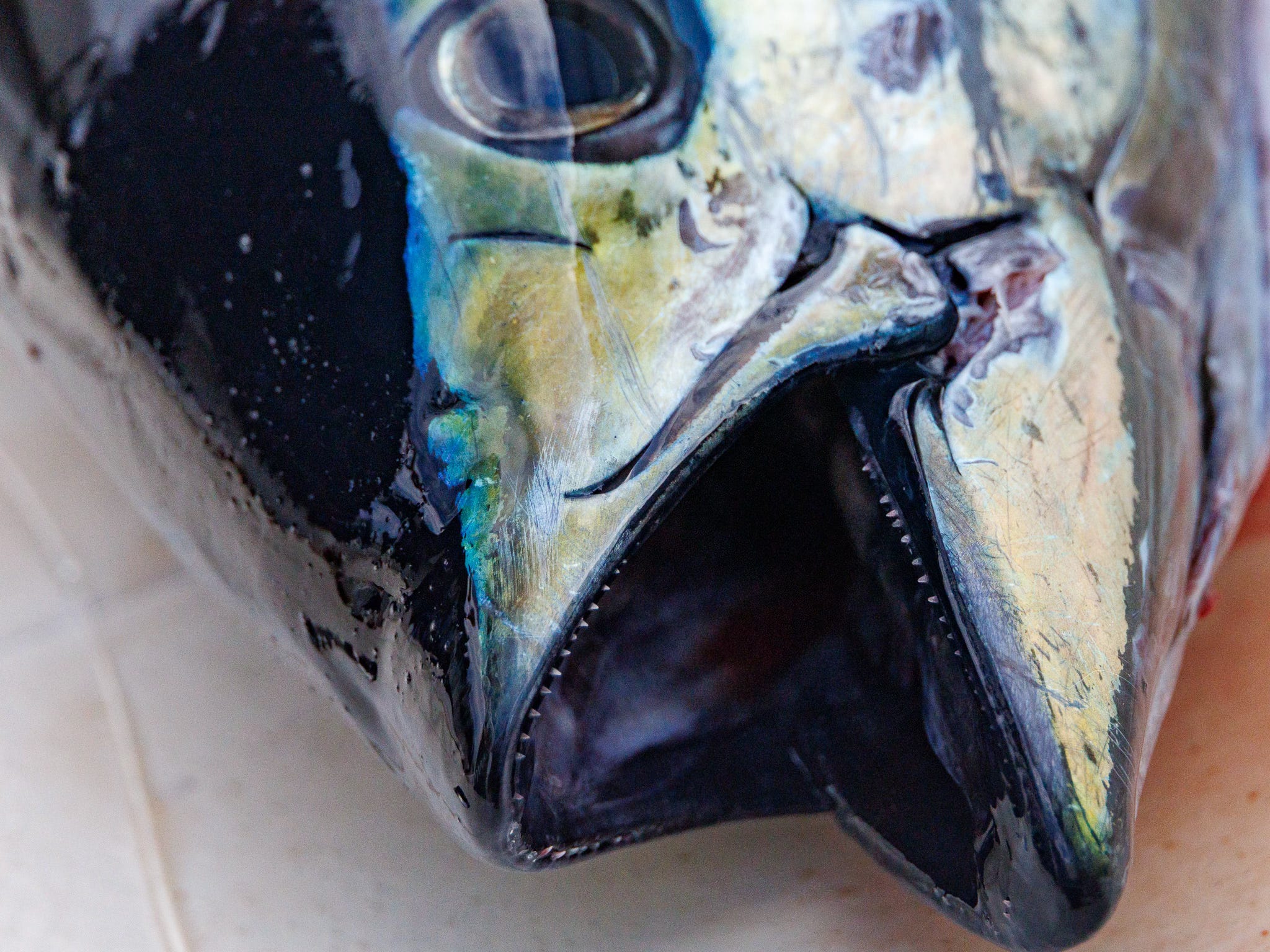
Pelagic species like tuna may have evolved more gradually than previously thought
If you’re thinking that this week’s article is more geeky than usual, you are correct. Some weeks I feel whimsical, others I crave a deeper dive. Continuing on the latter path, recent research finds that pelagic fishes may have developed more slowly than scientists have hypothesized. Scombridae, a category that includes mackerel, tuna and other fish whose fins are supported by small, bony structures called “rays.” Some of these fish can even generate their own heat just like us. Bluefin tuna, for example, can warm themselves when swimming through colder waters. The scientific name for warm-bloodedness is “endothermy.” A bluefin’s endothermy allows it to access food in cooler water where their competition cannot go. The recent study focused on the evolution of endothermy. It was previously thought that endothermic species emerged suddenly as a consequence of the Cretaceous-Paleogenic K-Pg mass extinction that occurred 66 million years ago after a huge asteroid struck Planet Ocean (Dinosaurs disappeared as a result of the K-Pg mass extinction, as did an estimated 75% of all animals on the planet). But the new research suggests that endothermy in pelagic fish developed much more slowly over millions of years. Research will continue and may revert to previously held theories. Science also evolves slowly, it turns out.
Ocean Nibbles
🌊 Scottish marine scientists appoint the ocean to their board. The Scottish Association for Marine Sciences tap into a global movement to give nature a seat at the table when deciding what’s best for it.
🌎 Nocturnal ocean animals sink more carbon than cars produce. Diel vertical migration is the daily ascent and descent of zooplankton. They do so to feed in shallower water. As a result of this daily migration, an annual 6.6 billion tons of carbon is removed from the atmosphere. Wow!
🐙 Rare dumbo octopus spotted off Norway. One of the cutest octopuses was recently spotted by researchers studying a seabed mining zone near Norway. Let’s take a pause on seabed mining, if only to save its most adorable inhabitants.