

New Hope for Coral Reefs
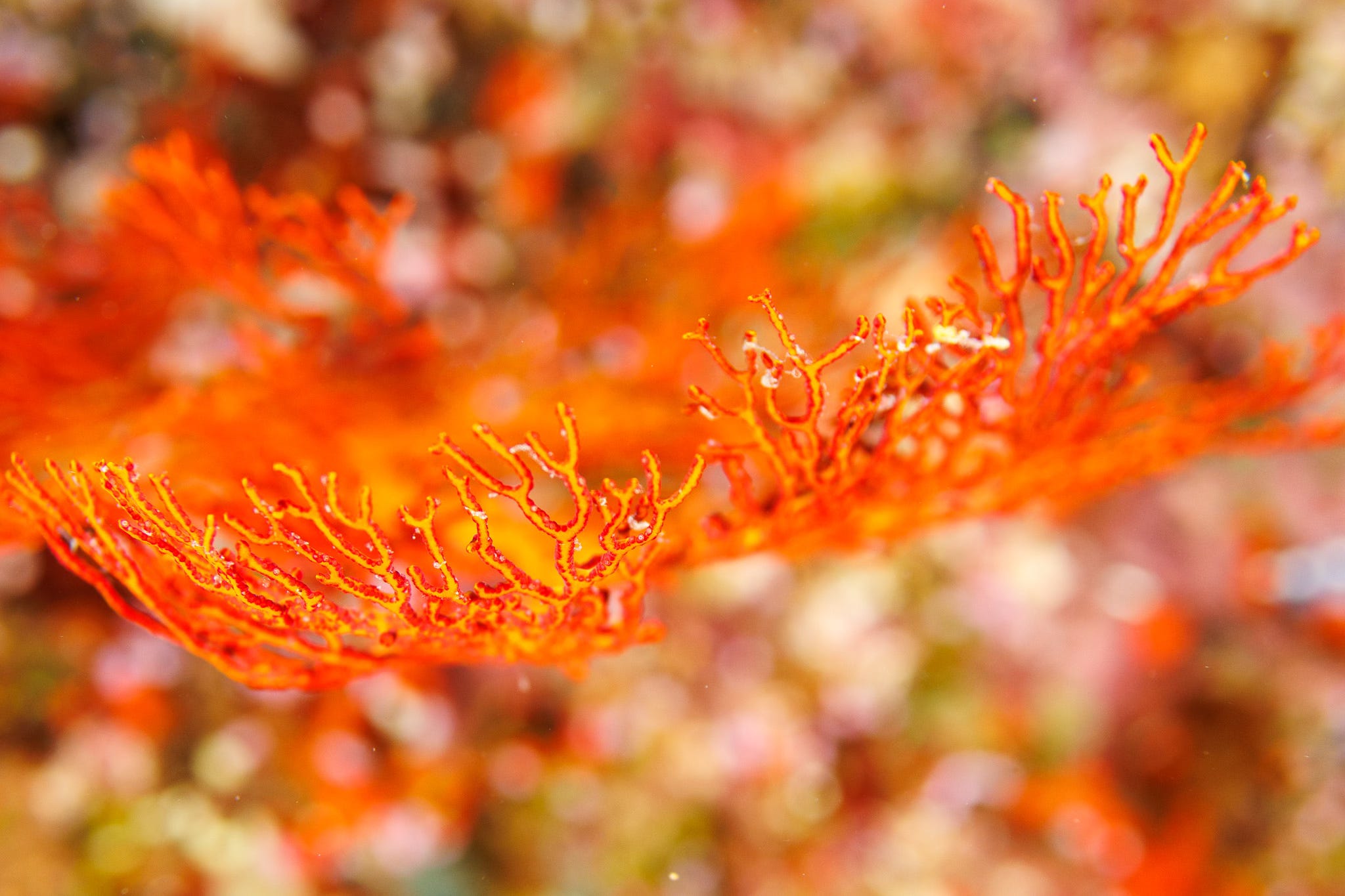
The film Chasing Coral made me cry. I’ll admit that to you. This is the age of vulnerability after all. Coral is less vulnerable, however. And that’s a good thing. It’s rare that we see positive research about the fate of Planet Ocean’s most beautiful and life-sustaining ecosystems. Rising ocean temps have lead to numerous bleaching events globally. Coral bleaching occurs when the symbiotic algae hosted by corals dies. The affected corals appear bright white, as if bleached. The algae provides coral with its primary source of food. Without the algae, coral must filter feed on passing plankton. However, coral can only survive for so long without the algae. If conditions don’t permit the algae to regrow, the coral eventually dies. New research aided by machine learning models has discovered that one-third of the world’s coral may be much more tolerant to warming water than previously thought. More than half of the resilient coral is found in the Bahamas, Cuba, Australia, Indonesia and the Philippines, five countries that are surrounded by extensive reef systems. The survival of these heat-tolerant corals will still require regulatory support and that’s where we all need to focus our voices. With enough volume, governments will hear our cries to Save the Coral.
Trump Administration Backs Down on its Plan to Dismantle Critical Ocean Monitoring
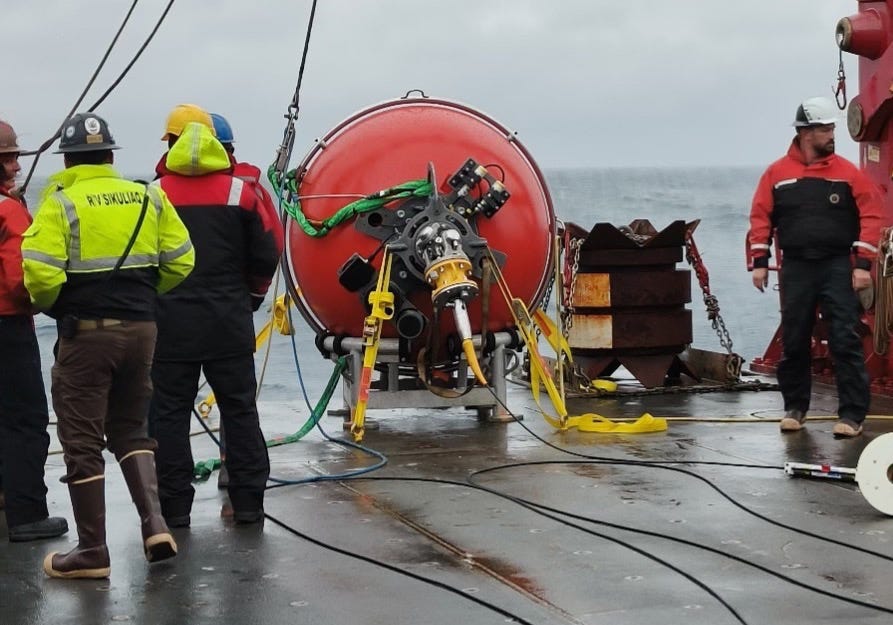
Want more good news about Planet Ocean? A plan to discontinue the decade-old U.S. deep sea monitoring system was withdrawn this week by the Trump administration. As a result, the Ocean Observatories Initiative (OOI) commissioned in 2016 will continue to provide valuable data to scientists from more than 900 deep-sea monitoring equipment located off Oregon, Washington, Alaska, North Carolina and a region between Greenland and Iceland known as the Irminger Sea. The Heritage Foundation, a conservative think tank whose mission is to build and promote conservative public policy, had recommended shutting down the OOI. After congressional and international backlash, the administration thankfully caved. Score another victory for Planet Ocean. The OOI’s extensive monitoring system enabled remote research without the need to launch “risky, difficult and expensive deep-sea boat expeditions every year.”
Massive Whale Graveyard Discovered in the Indian Ocean
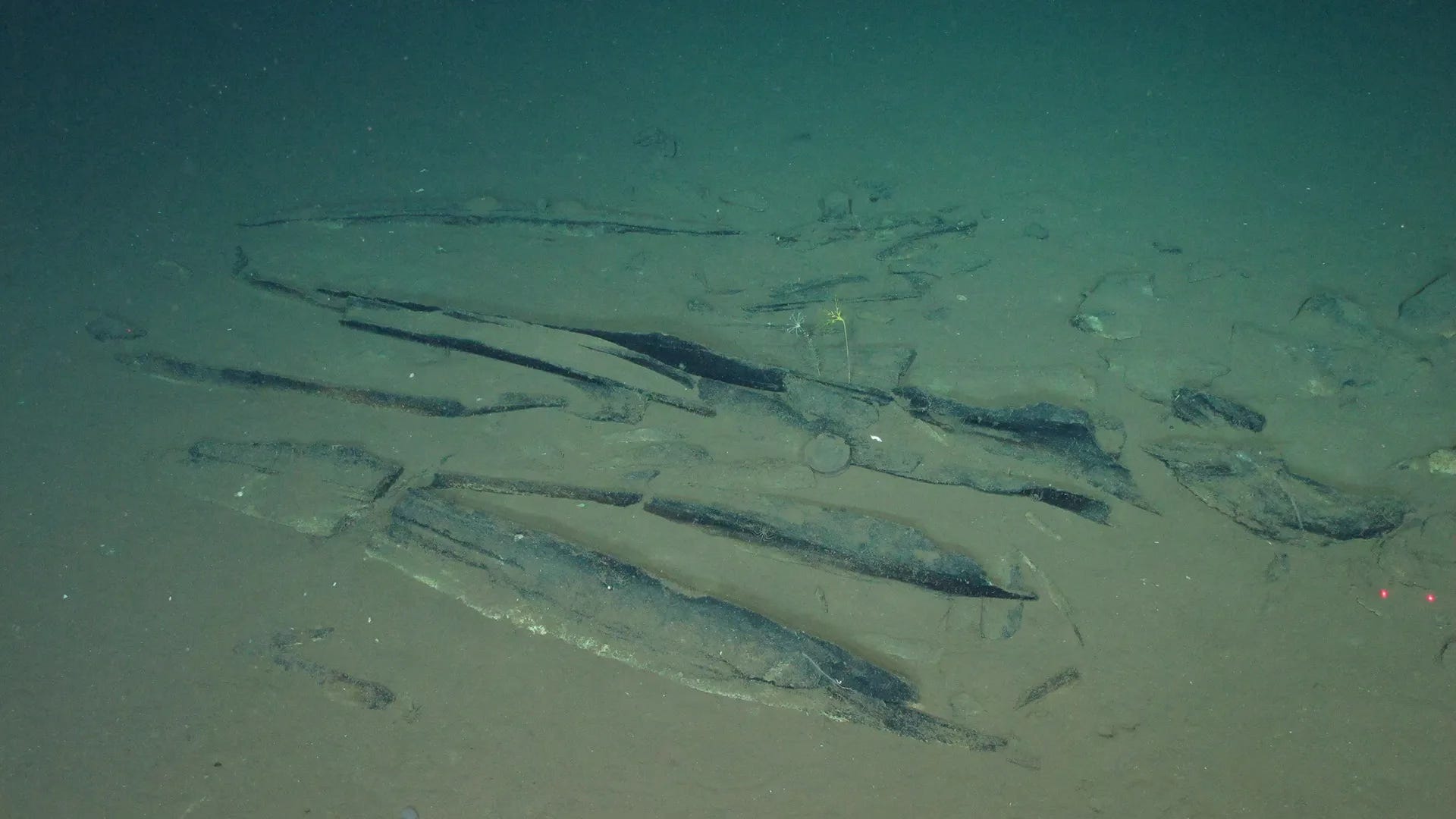
Covering over 750 miles, the deep-sea “megasite” named the Diamantina Zone necropolis by researchers contains whale fossils as old as 5 million years. The site is the most extensive whale graveyard ever observed. Among the remains of ancient whales, researchers from the Chinese Academy of Sciences' Institute of Deep-sea Science and Engineering found five active whale falls covered in a type of bacteria that lives without light or oxygen. This bacteria converts a whale’s death into the birth of a diverse deep-sea community. The bacteria produces hydrogen sulfide, a chemical that provides energy to jellyfish, brittle stars, bivalves mollusks and bone-eating Osedax worms. Talk about making lemonade from lemons! The oldest fossil observed by the Chinese researchers belonged to an extinct species of beaked whales from the genus Pterocetus. Scientists hypothesize that similarly rich whale necropolises may exist off of South Africa, the Iberian Peninsula and remote areas of Antarctica. We have much to learn about what lies on the ocean floor. What a time to be alive and love the ocean.
Ocean Nibbles
🦈 Rare sighting of a great white shark in the Mediterranean. The Mediterranean population of great white sharks is critically endangered. In mid-May, a diver spotted a 13-foot great white while diving 50 miles from land in the Strait of Sicily.
🦈 Goblin shark filmed for the first time. Even rarer than a Mediterranean great white sighting, a goblin shark was recently captured by a remote camera located at a depth of 2000 meters in the Tonga Trench. Check out the video of this living fossil!
🐳 Humpback whale migration breaks distance record. A single humpack whale was found to have traveled over 9,300 miles from Brazil to Australia. The previous record was a 8,800 mile journey that also took the whale from Brazil to Australia.
SOS Wish List
Valhalla Boatworks V-41
Base price: $876,000
This week we’re aiming high. But we’re not getting greedy. Wishing for a Valhalla V-55 would be greedy… With a max engine HP of 1,800 and impeccably designed fishability, the V-41 will do just fine. Build yours here.
🚨 Montauk Fishing Report
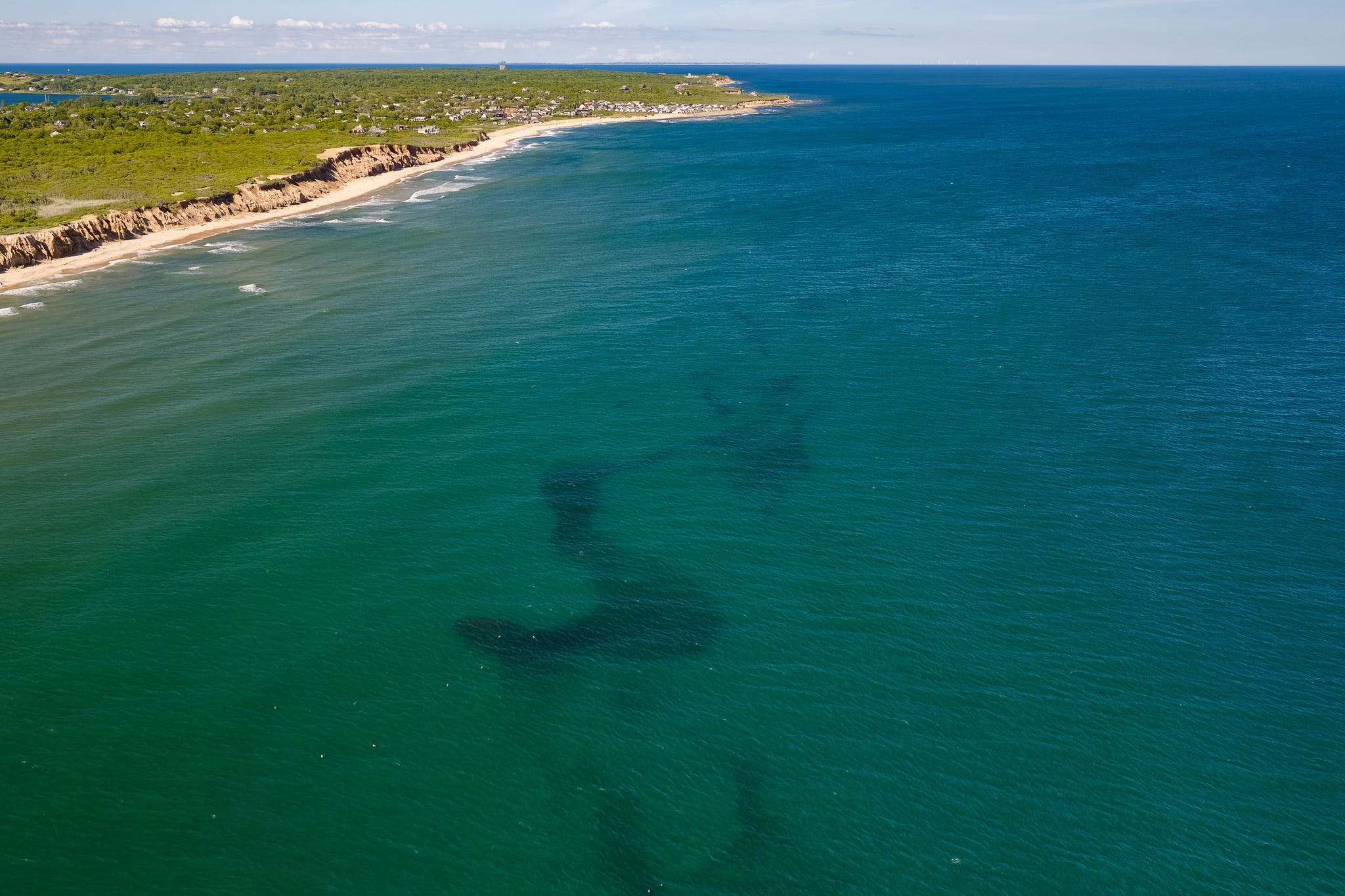
Inshore: The migration of species such as bluefish, striped bass, fluke and tuna follows the migration of their food. Seeing a massive school of sand eels from my drone’s camera this week got me stoked for the season. I was looking for bunker, but instead found an innumerable school of the oily sand eels that feed most of the fish we catch out here in Montauk. Fishing the north rips this week on the Bounty Uncharted, we saw tons of small sand eels on the surface while targeting striped bass. Feeding on these sand eels were small bluefish. It was almost impossible to get below the bluefish, so we started casting for them with small tins. Cast after cast resulted in a tussle with one of these “cocktail” blues. A couple of times, mammoth striped bass followed the bluefish to our boat. If you’re looking to catch and release a giant striper, you might want to try live lining a small bluefish. Reports from party boats targeting fluke and black sea bass are mixed. Not many keepers around yet. I can confirm that. When we switched to a sea bass spot, we found only one keeper sea biscuit among dozens of undersized fish.
Offshore: Last Sunday, Bounty Uncharted headed 100 miles south to Atlantis Canyon to see if we could get in on the nonstop action being reported out there. We were not disappointed. It was a 2-man crew, Jeff and me. Trolling with green and purple spreader bars, we had two triple strikes by some very chunky yellowfin. Keeping the third fish on the line while fighting the other two proved impossible. We still got home with plenty of meat. Big eyes also abound out there. The water temp was up to 71 degrees. It was nice seeing clean blue Gulf Stream water in our backyard again!