

Save the Deep Sea Corals
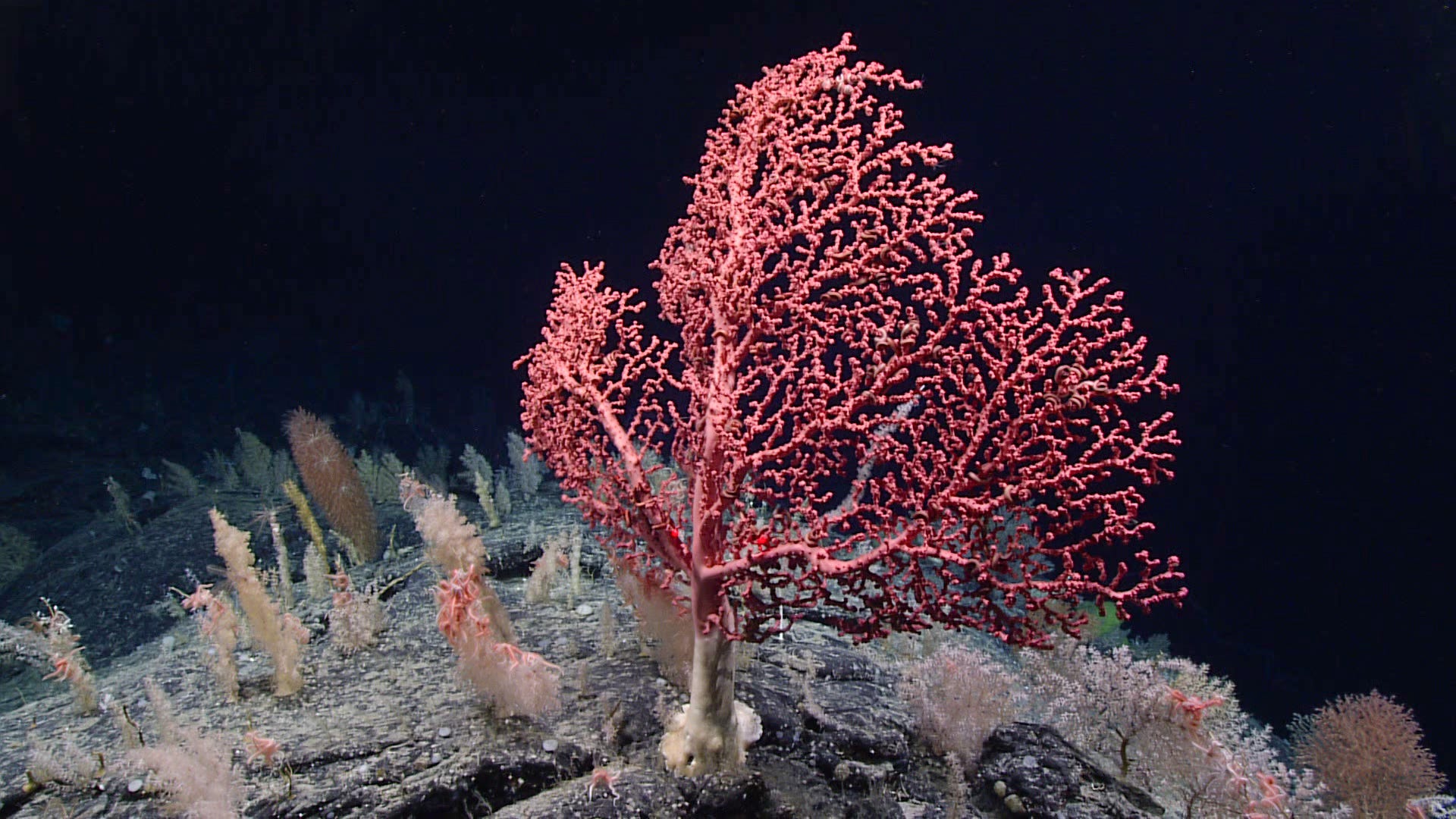
Out of sight, out of mind. Perhaps one of the most dangerous aspects of human nature is our ability to ignore what we don’t see. Blindspots are something to consider in the environment (and our lives). The unknown unknowns. Among the unknown unknowns are deep sea corals that thrive in the cold water off the coast of North America. This week, let’s make them known knowns. For years, I’ve found coral fragments on the beach never realizing that we have coral just offshore in the canyons. Underwater canyons form at the edges of the continental shelf. Canyons near Montauk include the Hudson Canyon. Formed by the erosive power of the Hudson River, the canyon extends out 400 miles from the New York harbor and reaches depths of 10,500 feet. Just like the Hudson Canyon, the canyons located in the Northeast Canyons and Seamount Marine National Monument (NCSMNM) provide invaluable habitat for fish and corals. As the Trump administration seeks to permit commercial fishing in the NCSMNM, it’s important to realize the impact of doing so. Cold water corals like the magnificent bubblegum coral (see photo above) grow extremely slowly, approximately 1mm per year. Which means that the inevitable damage caused by fishing gear will be effectively irreparable. Just how much damage will occur is unclear. Which brings us to the other known. The unknown known. We know the damage to precious corals will occur, we do not know how extensive it will be.
Banning Draggers is Effective
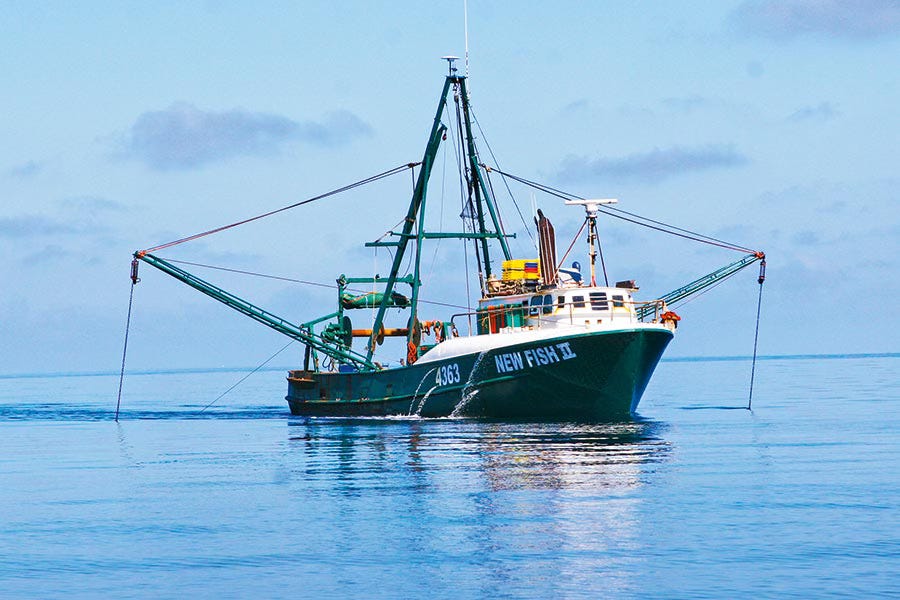
Pulling heavy gear across the sea floor in pursuit of fish has been a tried and true technique in Europe since at least the 14th century. 86% of the seabed in the Greater North Sea and Celtic Sea has been torn apart by this destructive, non-selective technique. Bottom dragging is kinda like using dynamite to kill a gopher. In fact, the European sea floor has been so damaged that researchers need to look at 150-200 year old records to find descriptions of a healthy European continental shelf. But a small area of sea floor off Scotland where commercial dragging is prohibited demonstrates the effectiveness of such restrictions. About a decade ago, Scotland established the South Arran Marine Protected Area (SAMPA) where destructive fishing methods are banned outright. A recent study focused on SAMPA found evidence of increases in juvenile fish and smaller animals such as worms and snails. Worms and snails act as the “gardeners of the seabed,” continuously turning over the sediment and, consequently, aiding in the capture of carbon. Let’s hope more countries join Scotland in banning commercial dragging. I’d like to see what the sea floor looked like 200 years ago. How about you?
NASA Visualization of Global Ocean Currents
Mapping Planet Ocean’s currents is critical to understanding the effects of climate change. NASA released a visualization showing the movement of currents around the world. Ocean currents push heat from warmer to cooler areas and affect salinity. The currents also carry nutrients that feed fish and, indirectly, us. A previous version of the visualization showed the ocean’s currents in two dimensions, while the current version shows 3D modeling based on satellite observations and buoy data. The video is mesmerizing as it zooms into a close overhead shot of the spinning globe. My favorite part is how you are able to see the immensity of the Gulf Stream as it moves up the eastern seaboard of North America. The graphics are Van Gogh-esque and trippy. Check it out here.
Ocean Nibbles
🤿 Nat Geo’s coldest expedition? Cristian Lagger is probing the unknowns off of Antarctica. As part of the Nat Geo and Rolex Perpetual Ocean Expeditions series, Lagger is using ROVs to discover new species and gather data on carbon absorption.
🧬 Planet Ocean is full of dolphin mucus. And scientists, the ever curious heroes they are, use DNA found in mucus to study dolphins without ever seeing them. The data gathered is also helping to analyze the health of dolphins’ genetic diversity.
🌊 The Gulf Stream is weakening much faster than we thought. According to new research, the Atlantic Meridian Overturning Circulation (AMOC) which includes the Gulf Stream, will weaken by 51% by 2100. The new data reveals slowing 60% higher than previously predicted.
SOS Wish List
Avet Reels T-RXW80/3
Price $1,199.99
Reels are my rolexes. I’m fascinated by them. With gearing almost as complex as a luxury wrist piece and a focus on ergonomics, fishing reels are my weakness. Of all the reel manufactures, Avet dominates with next level gearing and ergonomics. The T-RX80/3 has everything you want to land a 300 lb. plus tuna or marlin with a 3-speed gear transmission and peerless ergonomics. Just look at that lever handle. Buy yours here.