

Why we can’t have nice things
New research finds that Marine Protected Areas (MPAs) are ineffective in protecting against the damage caused by abandoned fishing nets. Also referred to as “ghost gear,” abandoned fishing nets have been found polluting 53% of the existing MPAs. Why is that a problem? MPAs are a critical component of 2022’s Kunming-Montreal Global Biodiversity Framework intended to reverse the loss of global marine biodiversity. The goal of that framework is to increase MPA coverage to 30% of the ocean by 2030. To date, only 3% of the ocean is protected against commercial fishing activities and even that minor percentage of protection can’t prevent against damage from ghost gear. The impact of such ghost gear is significant. Drifting nets smother coral and trap endangered wildlife like sea turtles, whales and fish.
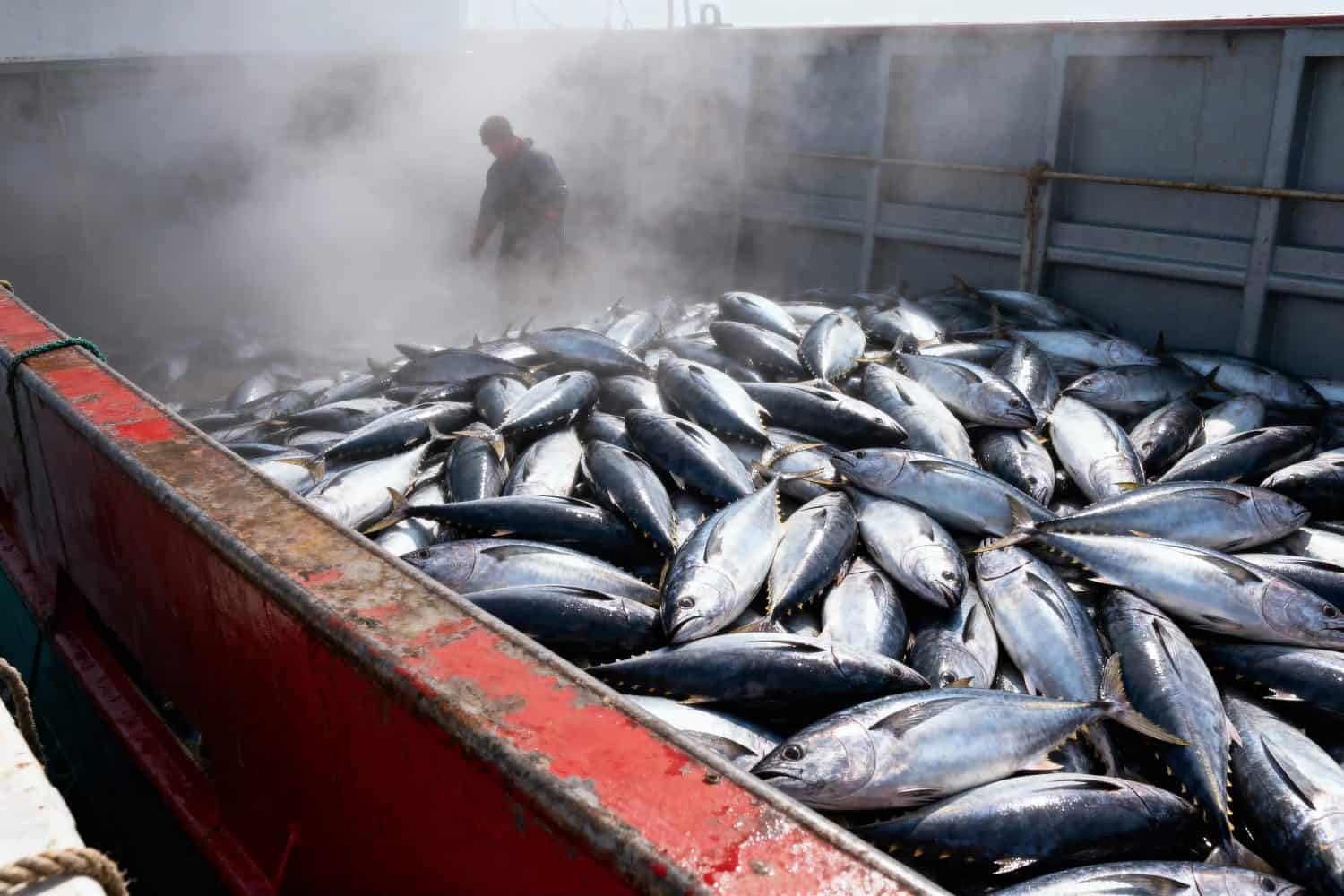
The most dangerous type of ghost gear is abandoned tuna nets. Traditional tuna gear consists of drift nets submerged at depths of up to 80 meters. When lost, these nets are nearly impossible to recover. Recent design improvements include GPS and echosounder buoys that make it easier for fishermen to track schools of fish, but that doesn't necessarily equate to gear trackability because the data is not publicly accessible. Fishing companies have proprietary control over their GPS equipment and, understandably, resist disclosing location data for fear that competing fishing operations will use it to steal their catch. At the same time, the potential for damage to MPAs is exacerbated by fishermen’s unwillingness to disclose when their gear invades an MPA. Protecting against unknown perils is tricky business.
How can regulators solve for the borderless nature of the ocean? Three solutions are proposed by researchers studying the impact of ghost gear to MPAs: (1) minimize the risk of damage when interaction occurs between fishing gear and MPAs; (2) limiting the risk of such interaction; and, (3) ensure accountability when interaction and damage occur.
In order to minimize the risk of damage resulting from ghost gear, regulators have begun requiring the use of low-impact fishing gear, including non-entangling and biodegradable nets. Standardized weight limits have also been suggested but not yet adopted. Limiting the weight of gear will reduce the likelihood of smothering coral or unintentionally trapping fish. Rope, cloth and canvas, however, are still permitted and when abandoned these components can still inflict significant damage to protected marine life before disintegrating.
Limiting the risk of interaction between ghost gear and MPAs is another way we can reduce damage to vulnerable marine life. Measures to do so include limiting total fishing gear deployment, spatial restrictions and ensuring net retrieval. Currently, fishing vessel captains self determine where and when to fish. Prevention of damage relies on the judgment of a commerce-minded individual who is likely to take risks in order to ensure more profitable catches. Instead, regulators should be making such determinations. The opportunity for damage to an MPA directly correlates with proximity to commercial tuna netting operations. Moreover, efforts to retrieve lost nets should be required whether intentional or not. Current law only prohibits abandonment that is intentional. Proving intention is difficult, if not impossible, without third party witnesses.
The third component of MPA damage prevention is ensuring accountability when interaction and damage occur. To date, fisherman do not have a meaningful incentive to avoid damage to MPAs caused by their gear. The fact that most gear is often unmarked means that a perpetrator is rarely identifiable. Regulators should require fisherman to clearly mark their fishing equipment and/or implement a standardized retrieval deposit that corresponds to the substantial cost of removing ghost gear from MPAs.
The effort to reduce damage to marine life in MPAs caused by ghost gear is further complicated by the fact that regulation is delegated to low-income island nations or countries that rely on funds derived from commercial fishing operations. Therein lies a not-to-be-ignored conflict that limits the effectiveness of any of the three preventative measures outlined above. As with all Planet Ocean problems, a centralized enforcement body appears to be the missing piece here. The borderless nature of the ocean makes it extremely difficult to save. That’s where you come in. I urge you to get involved by learning more and taking action wherever you can. The ocean needs us.